
Cajun Culture Gains National Attention
By the 1990s, Cajun culture had traveled far beyond the bayous and prairies of southern Louisiana. What earlier generations had sometimes been pressured to abandon—their French language, distinctive music, foodways, and traditions—was increasingly celebrated as an important part of Louisiana’s cultural identity.

From Exile to Erasure: The Long History of Discrimination Against the Cajun People
For much of American history, being Cajun meant something closer to a liability than an identity worth celebrating. Long before "Cajun" became a marketing term for spicy seasoning blends and tourist-friendly music festivals, it was often used as a slur — shorthand for "backward," "uneducated," or "swamp trash."

The Council for the Development of French in Louisiana
In 1968, Louisiana took an important step toward preserving one of the most distinctive parts of its cultural identity with the creation of the Council for the Development of French in Louisiana, commonly known as CODOFIL. The organization was established during a period when the use of French in Louisiana had declined significantly.
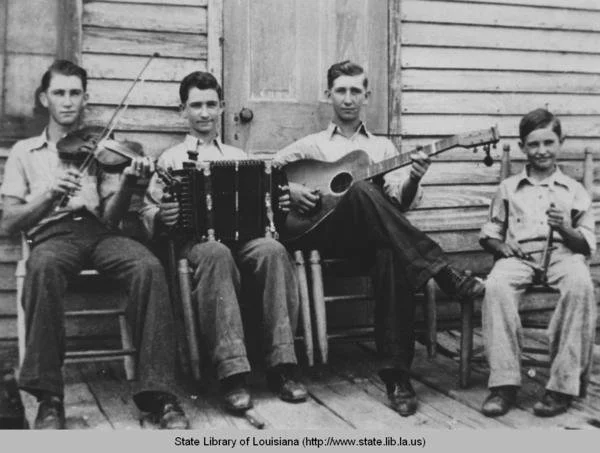
1940s–1960s — Cajun Music Gains Wider Recognition
Cajun music entered a transformative era between the 1940s and 1960s, a period in which local traditions evolved into a cultural force capable of reaching audiences far beyond south Louisiana.
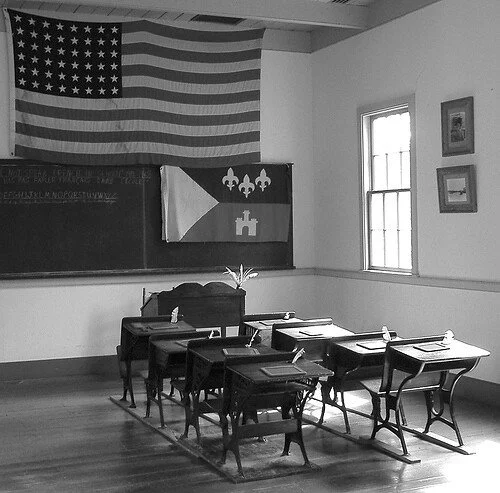
Early–Mid‑1900s — Decline of Louisiana French
The early to mid‑twentieth century marked a turning point in the linguistic history of south Louisiana.
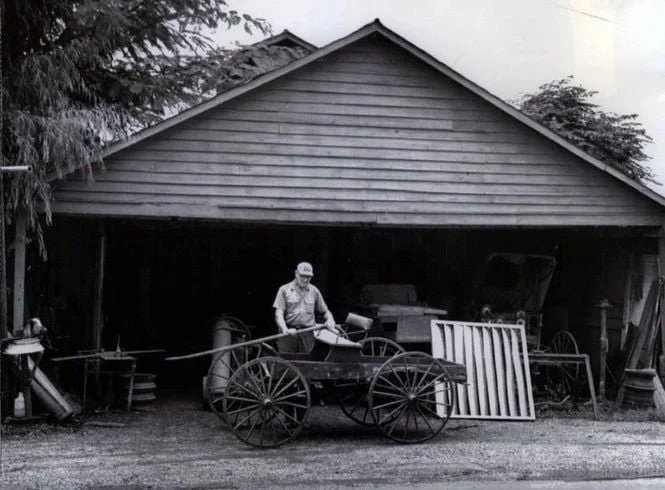
Cajun Expansion in Nineteenth‑Century Louisiana
During the nineteenth century, Cajun culture expanded across south Louisiana as communities adapted to a changing region while preserving the core elements of their Acadian heritage.
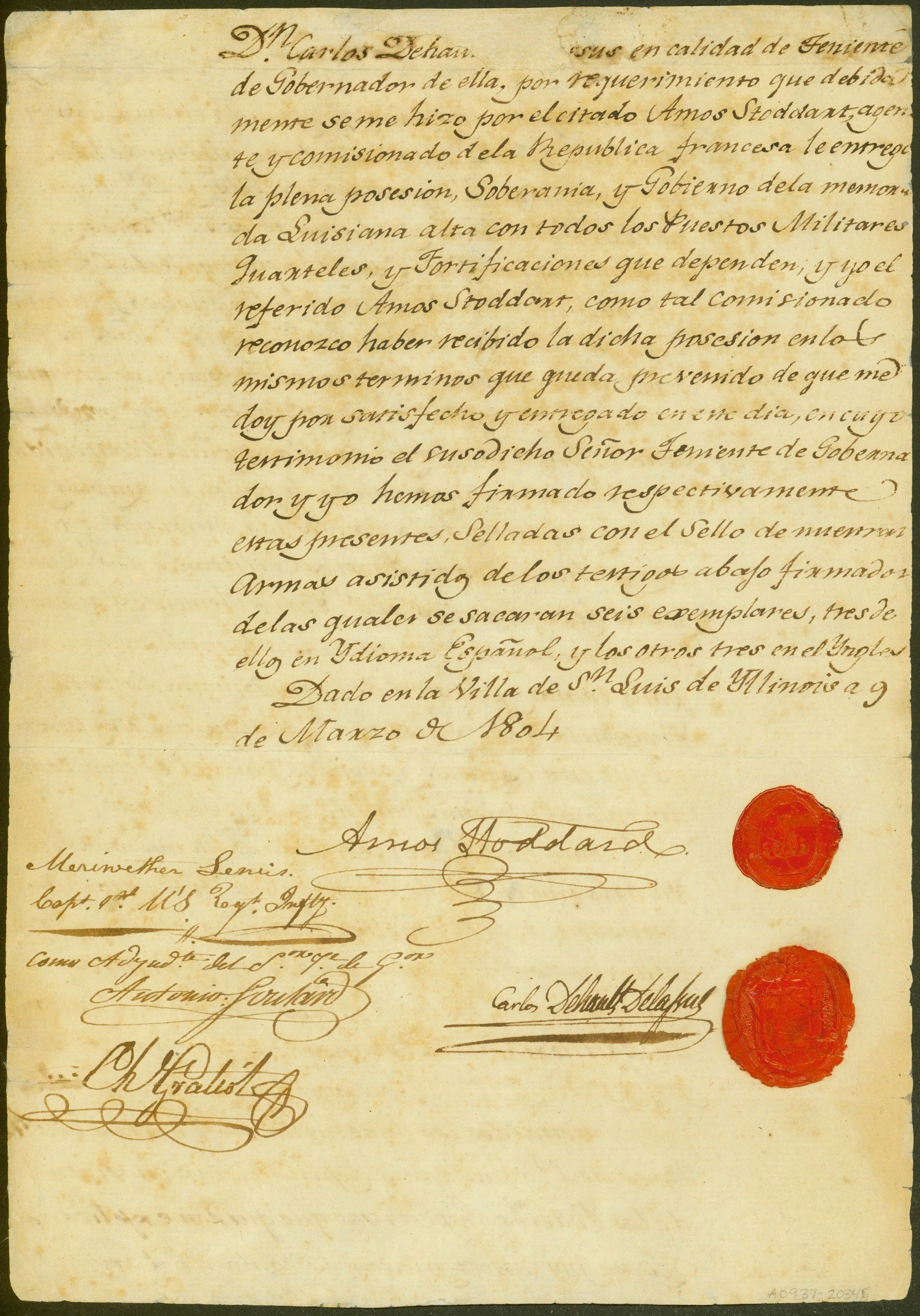
Louisiana Purchase & Late 1800s–Early 1900s Cajun Identity Formation
The early nineteenth century and the turn of the twentieth century represent two pivotal moments in Louisiana’s cultural evolution: the transfer of sovereignty through the Louisiana Purchase in 1803 and the later emergence of a fully articulated Cajun identity.
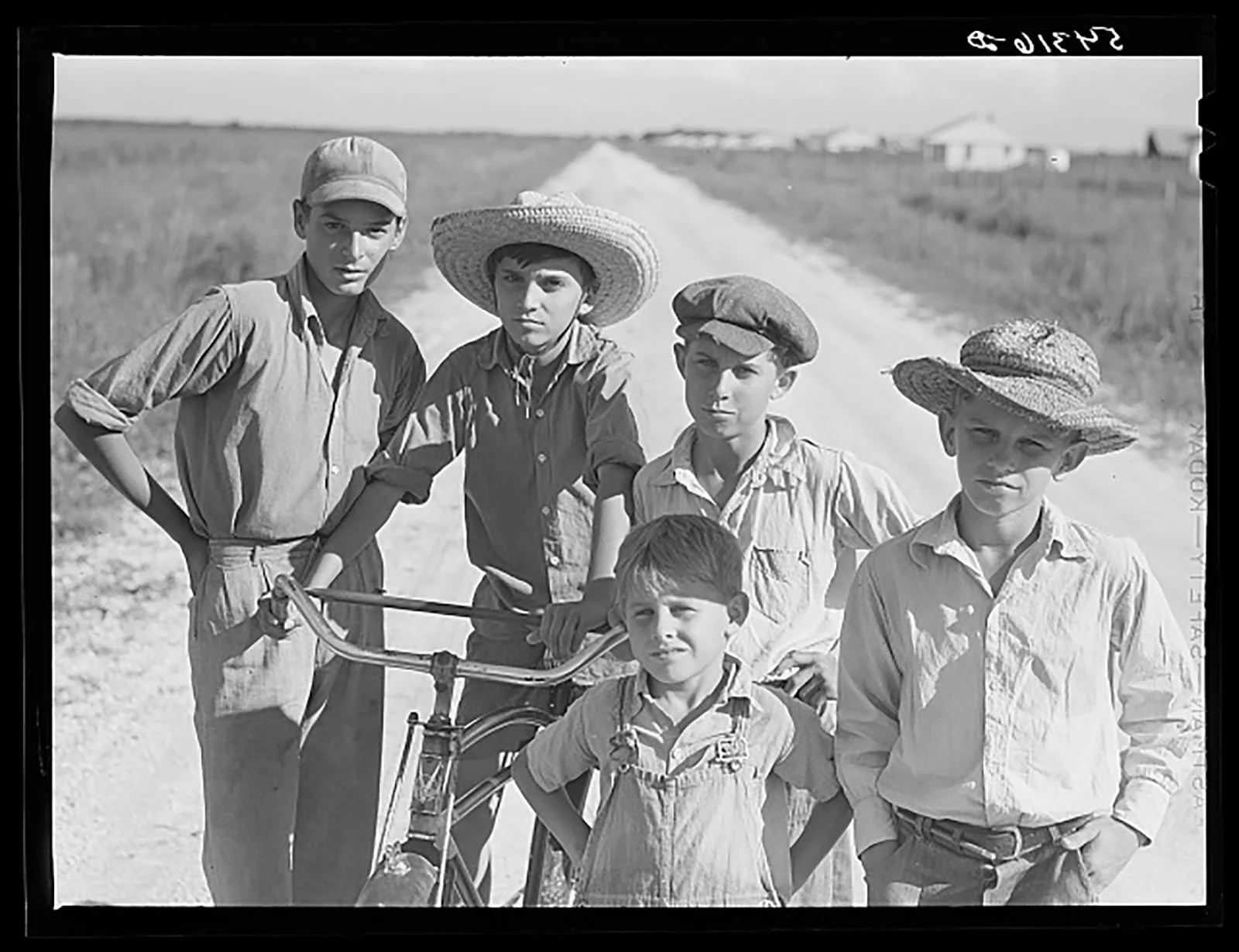
Cajun Communities Develop
The formation of Cajun communities in late‑eighteenth‑century Louisiana was a slow, generational process shaped by displacement, adaptation, and cultural resilience. After their expulsion from Nova Scotia, Acadian families arrived in Louisiana as refugees, carrying with them memories of their former homeland and a determination to rebuild their lives.
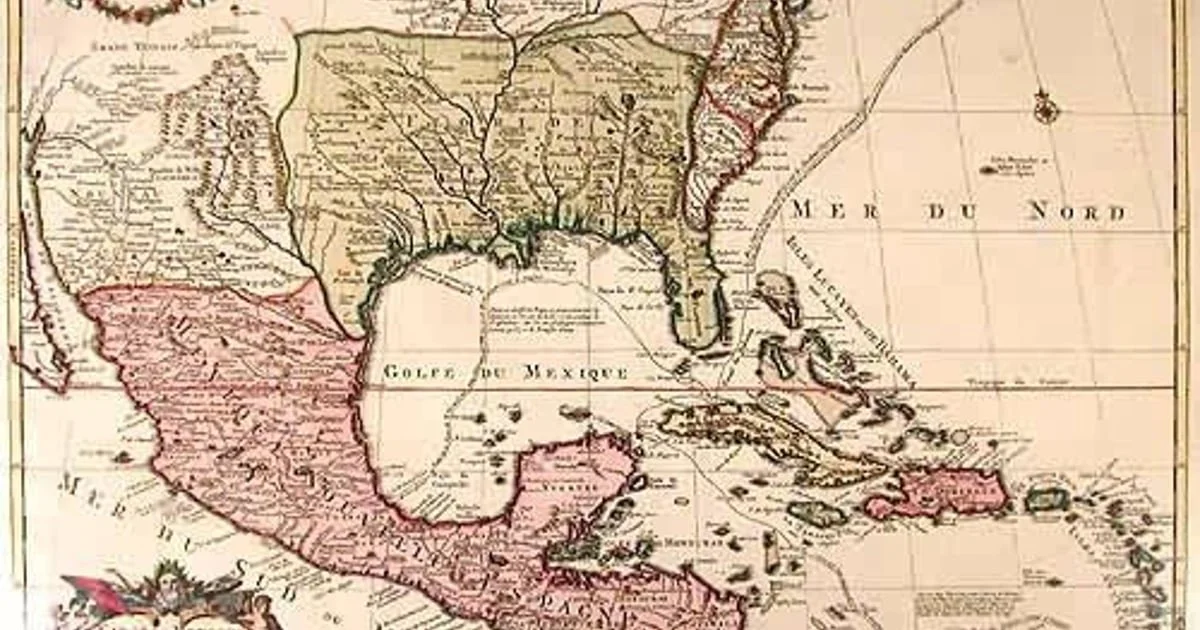
Louisiana Comes Under Spanish Rule
The year 1763 marked a profound turning point in Louisiana’s colonial history. In the aftermath of the Seven Years’ War, France quietly transferred Louisiana to Spain through the secret Treaty of Fontainebleau (1762), a decision publicly confirmed only after the Treaty of Paris in 1763 reshaped imperial borders across North America.
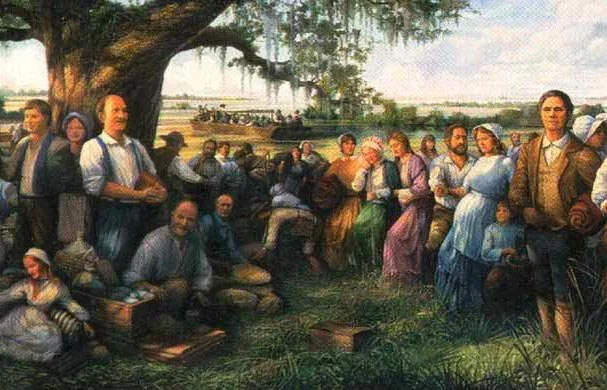
Acadians Arrive in Louisiana: The Beginnings of Cajun Country
During the 1760s through the 1780s, thousands of displaced Acadians gradually made their way to Louisiana, beginning a new chapter in the history of a people who had been separated from their homes and families.
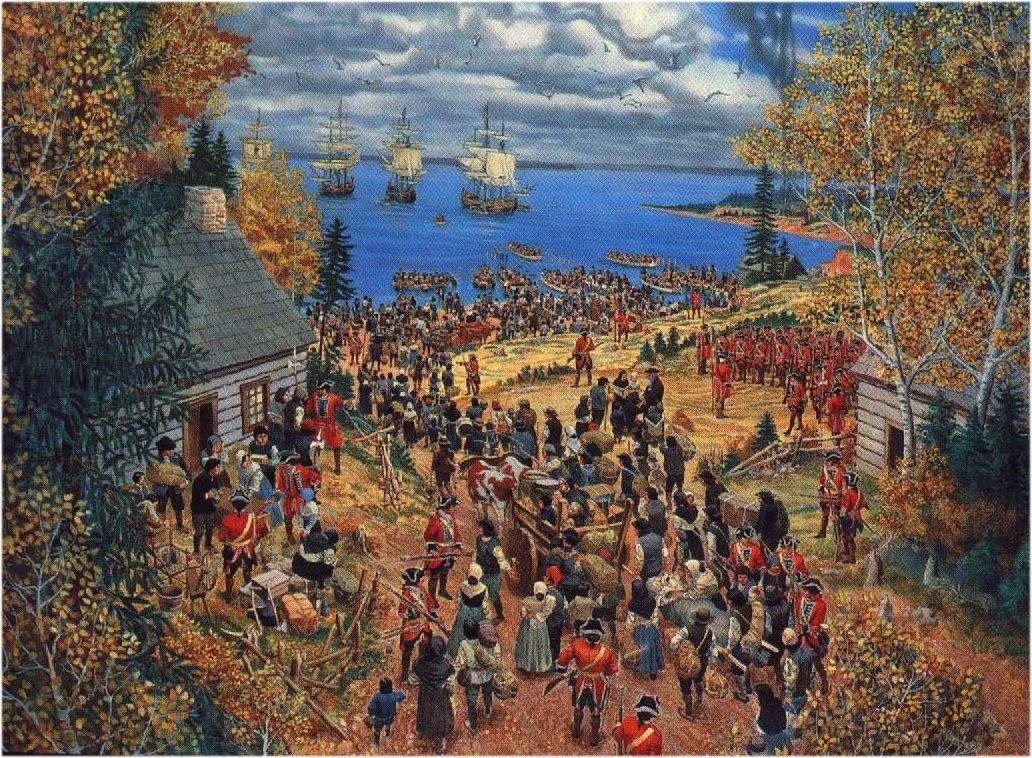
1755: THE GREAT UPHEAVAL BEGINS
A devastating chapter in Acadian history began when British authorities ordered the removal of Acadians from their homes in Nova Scotia and surrounding areas. The event became known as Le Grand Dérangement, or the Great Upheaval.
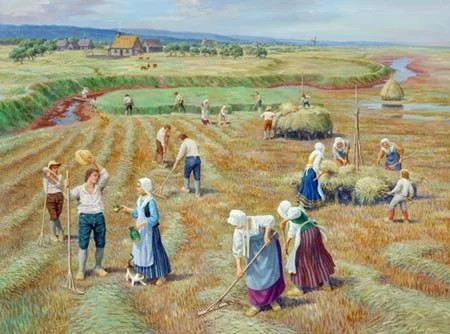
ACADIAN ORIGINS: THE BEGINNING OF THE CAJUN STORY
The story of the Cajuns begins in Acadia during the 1600s and early 1700s, long before their arrival in Louisiana. Acadia was a French colonial region that included areas of present-day Nova Scotia, New Brunswick, and Prince Edward Island.