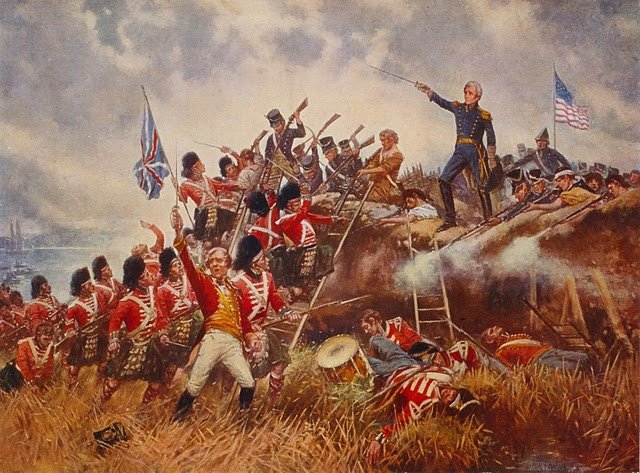
New Orleans and the War of 1812
New Orleans entered the War of 1812 as one of the most strategically important cities in the young United States. Its location at the mouth of the Mississippi River made it the gateway to the continent’s interior, a commercial hub linking the agricultural West with global markets.
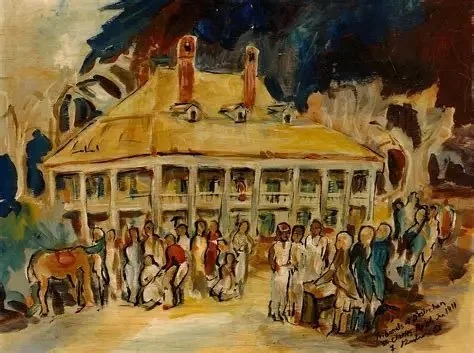
The German Coast Uprising and the Louisiana Massacre
The German Coast Uprising of 1811 stands as one of the largest and most organized slave revolts in United States history, a moment when hundreds of enslaved people in Louisiana rose together to challenge the violent system that defined their lives.
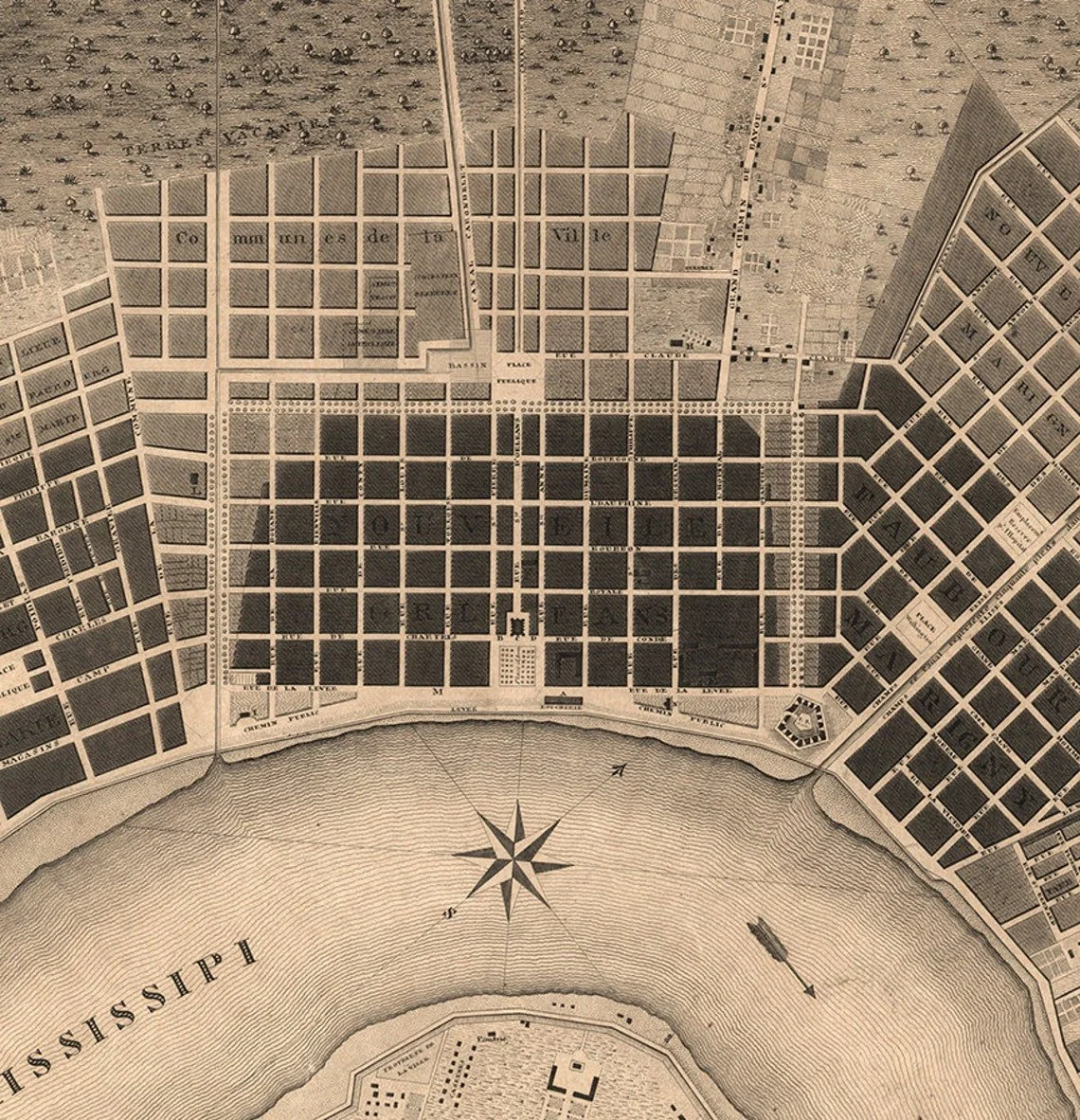
Louisiana Becomes the Territory of Orleans
The transformation of Louisiana into the Territory of Orleans in 1804 marked a decisive moment in the region’s political evolution, signaling the beginning of American governance in a land shaped by centuries of French and Spanish rule.
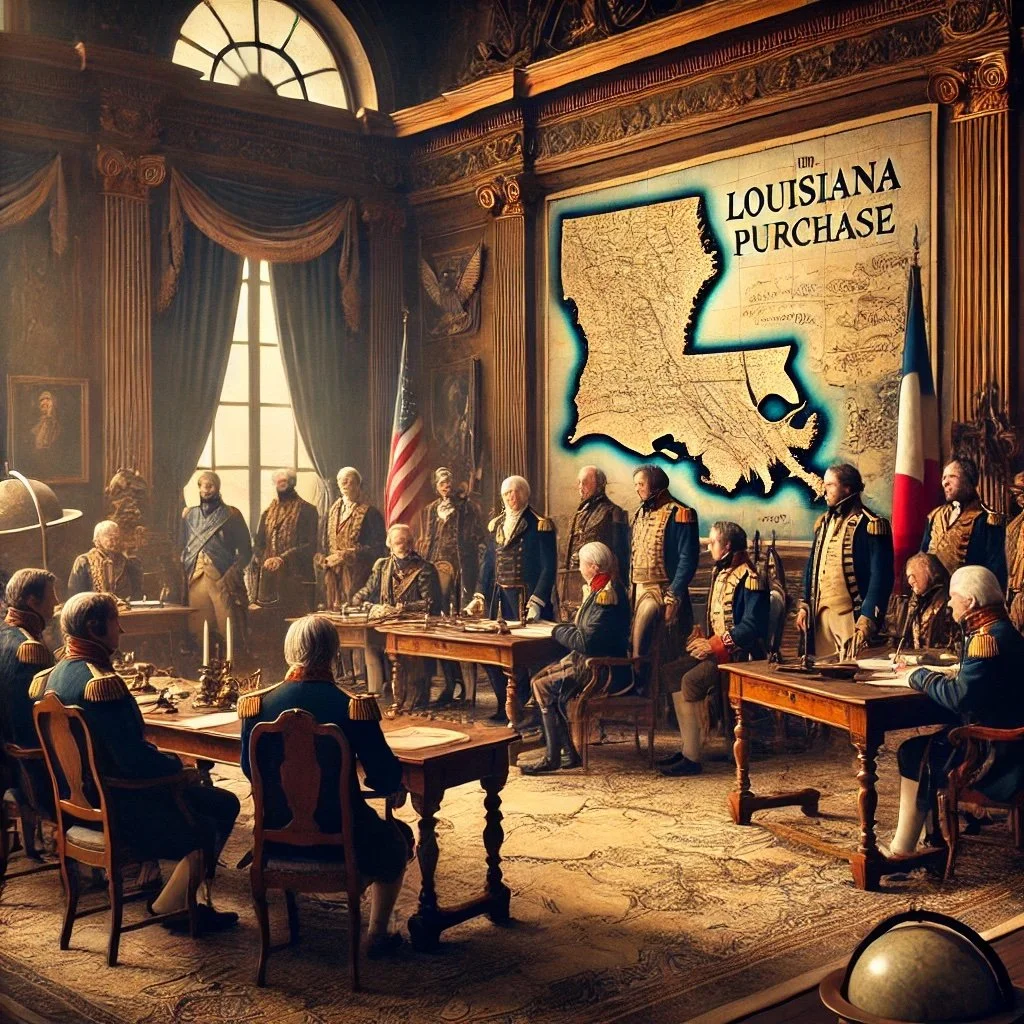
The United States Purchases Louisiana from France in the Louisiana Purchase
The Louisiana Purchase of 1803 was a turning point in the history of the United States, transforming the nation from a modest republic clustered along the Atlantic coast into a continental power.
Spain Secretly Returns Louisiana to France through the Treaty of San Ildefonso
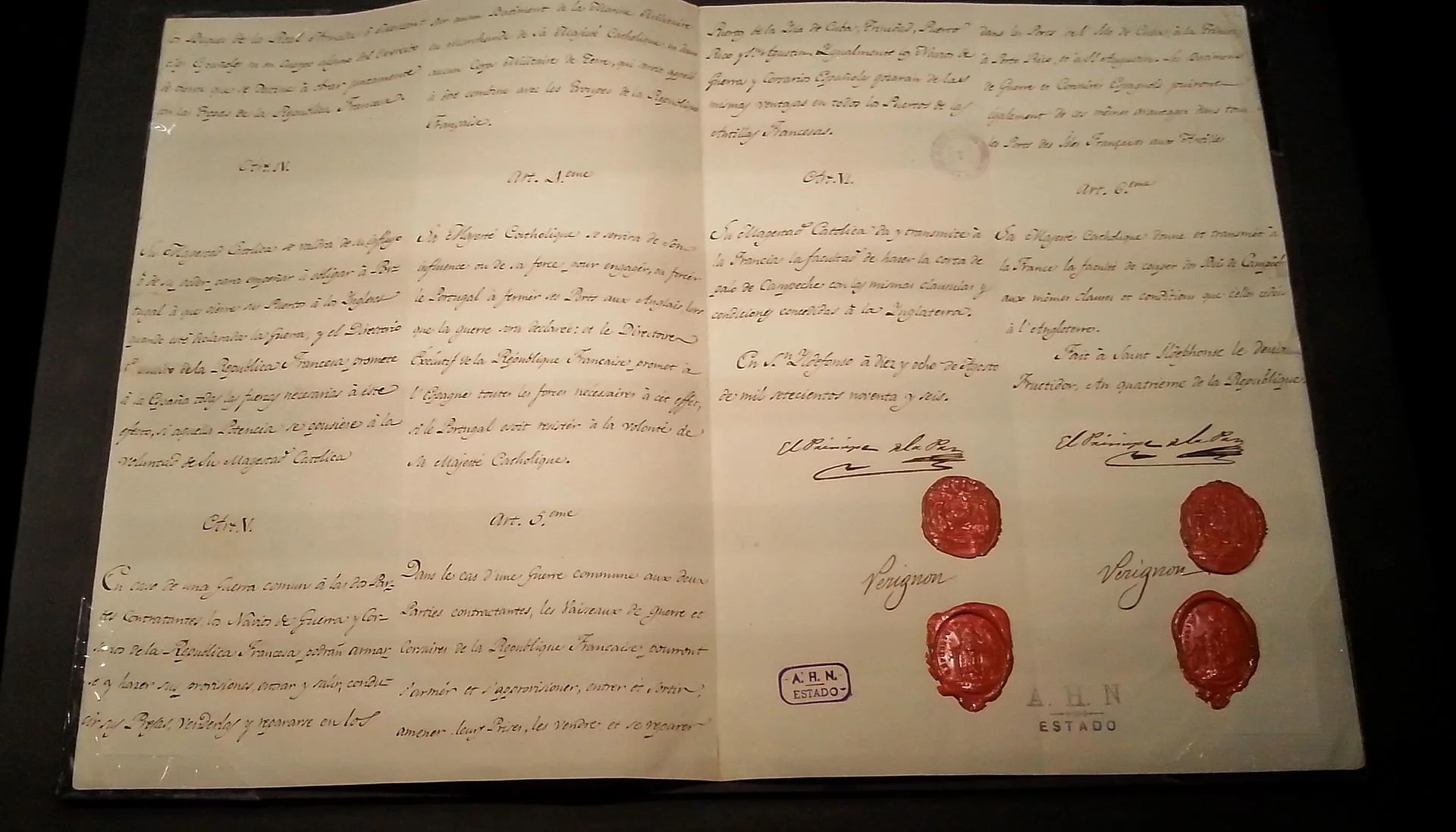
Spain’s decision in 1800 to return Louisiana to France under the secret Treaty of San Ildefonso marked one of the most consequential diplomatic reversals in the history of the Gulf South. After nearly four decades of Spanish administration, the colony found itself once again at the center of imperial bargaining…
The Haitian Revolution and Its Impact on Louisiana
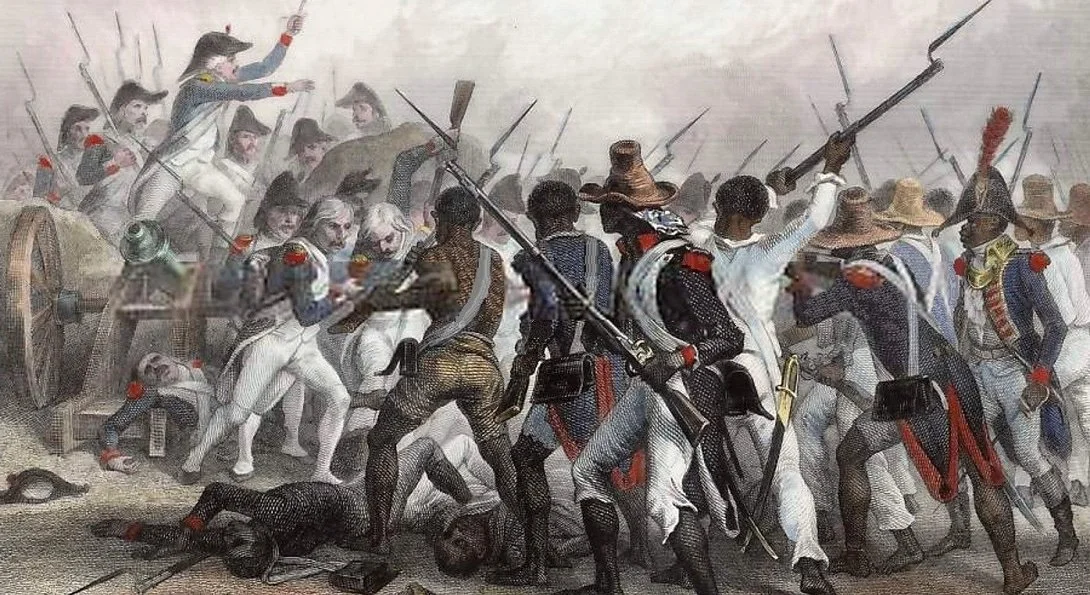
The Haitian Revolution, which began in 1791 in the French colony of Saint‑Domingue, reshaped the political and cultural landscape of the Atlantic world — and Louisiana was one of the places most profoundly affected.
The Louisiana Rebellion of 1768–1769
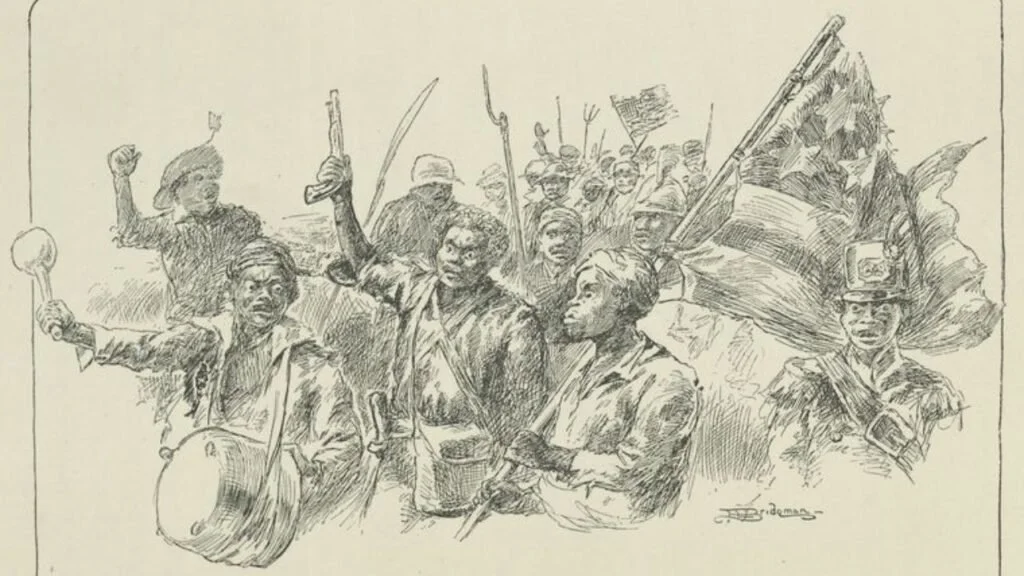
In the late 1760s, Louisiana became the stage for one of the earliest and most dramatic challenges to Spanish rule in North America. Following France’s secret cession of Louisiana to Spain in the 1762 Treaty of Fontainebleau, the colony’s French Creole elite reacted with anger and uncertainty.
Spain Takes Control of Louisiana in 1763
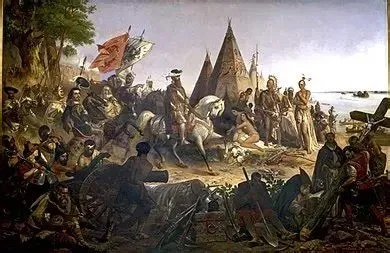
Louisiana entered a new and important chapter when Spain formally assumed control of the colony following the Treaty of Paris, which brought the Seven Years’ War to an end. France had secretly transferred Louisiana to Spain the previous year through the Treaty of Fontainebleau.
France Secretly Transfers Louisiana to Spain
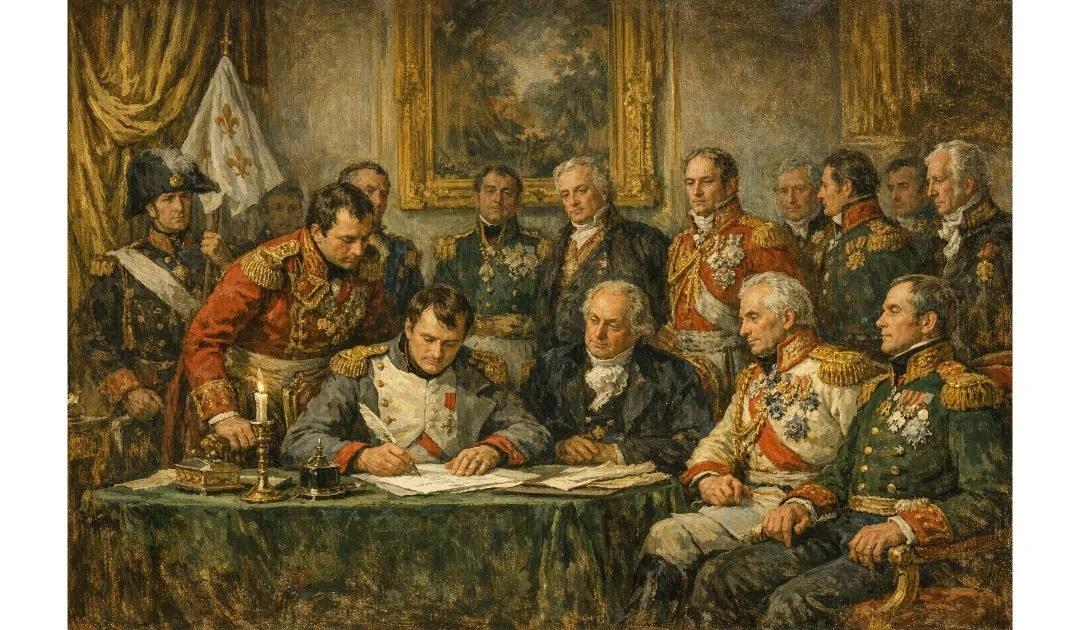
In 1762, as the Seven Years’ War placed France under increasing military and financial pressure, the future of Louisiana changed dramatically. France secretly agreed to transfer its Louisiana colony to Spain through the Treaty of Fontainebleau, signed on November 3, 1762.
1724: France Issues the Code Noir in Louisiana
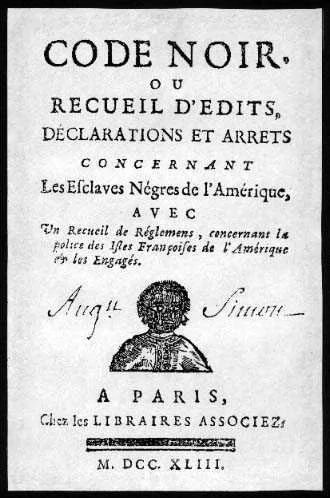
In 1724, the French monarchy issued a revised Code Noir, or “Black Code,” specifically for the colony of Louisiana.
New Orleans Becomes the Capital of French Louisiana
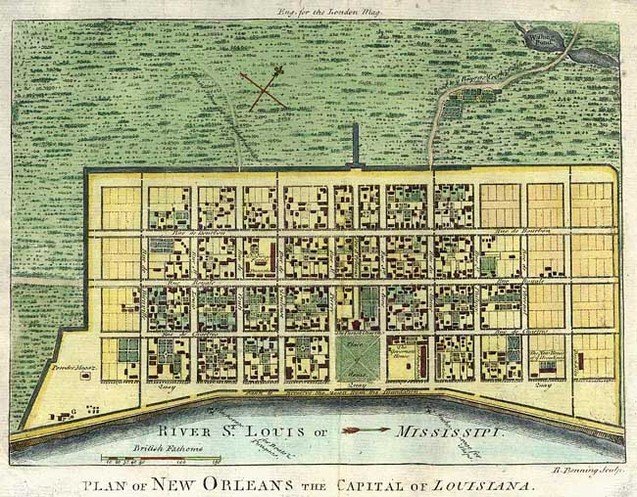
Long before European explorers arrived, the region now known as Louisiana was home to diverse Indigenous nations with deep connections to the land and waterways. Between approximately 1200 and 1500 CE, communities including the Caddo, Chitimacha, Houma, Tunica-Biloxi, and other Native peoples developed societies shaped by the Mississippi River, its tributaries, forests, wetlands, and coastal environments.
1699: Fort Maurepas and the Beginning of French Louisiana
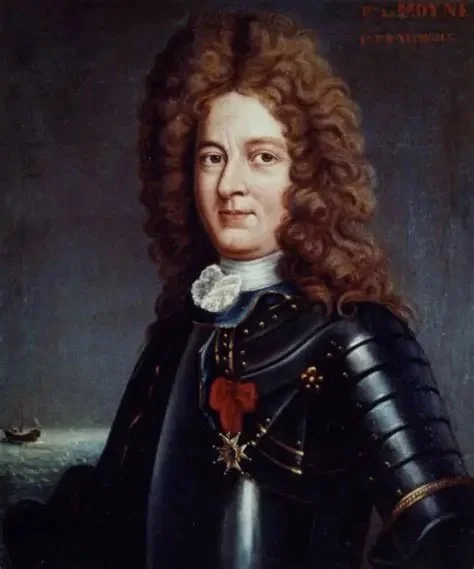
In 1699, Pierre Le Moyne d’Iberville arrived on the Gulf Coast with a mission that would help transform France’s ambitions in North America into a colonial presence.
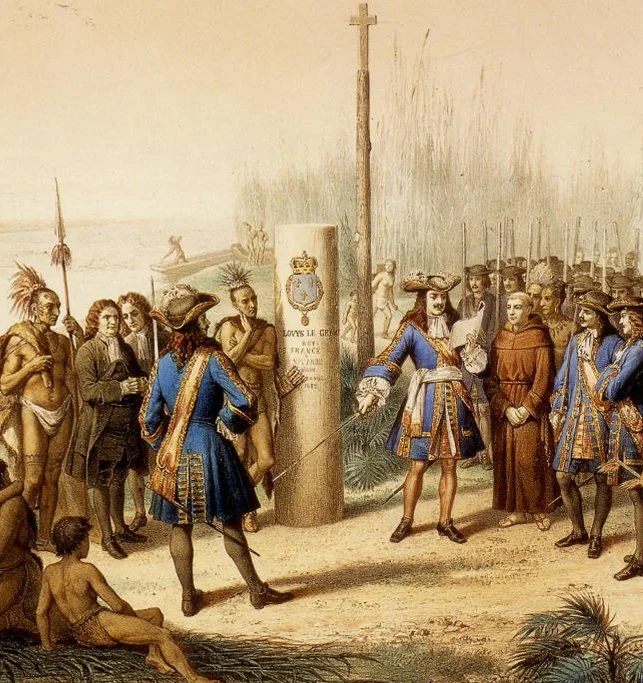
1682: La Salle and the Birth of Louisiana
In 1682, French explorer René-Robert Cavelier, Sieur de La Salle, led an expedition down the Mississippi River to its mouth, reaching the Gulf of Mexico.
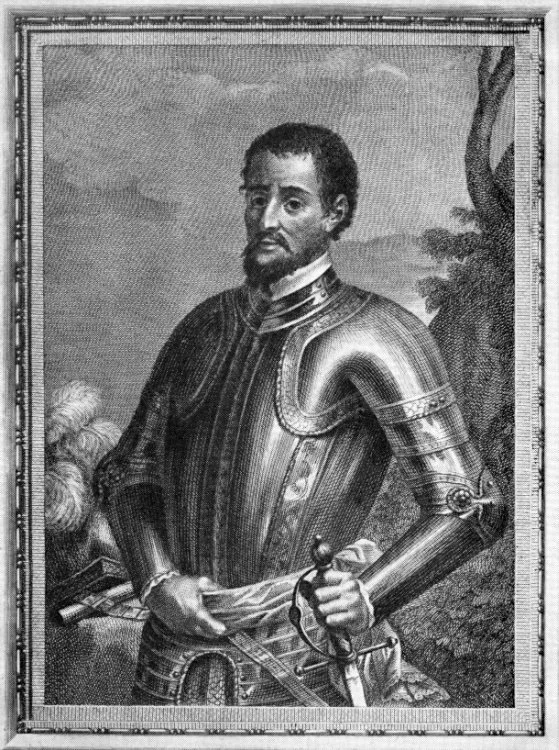
Hernando de Soto and the Mississippi River, 1541
In 1541, Spanish explorer Hernando de Soto and his expedition reached the Mississippi River during a difficult journey through the southeastern portion of North America.
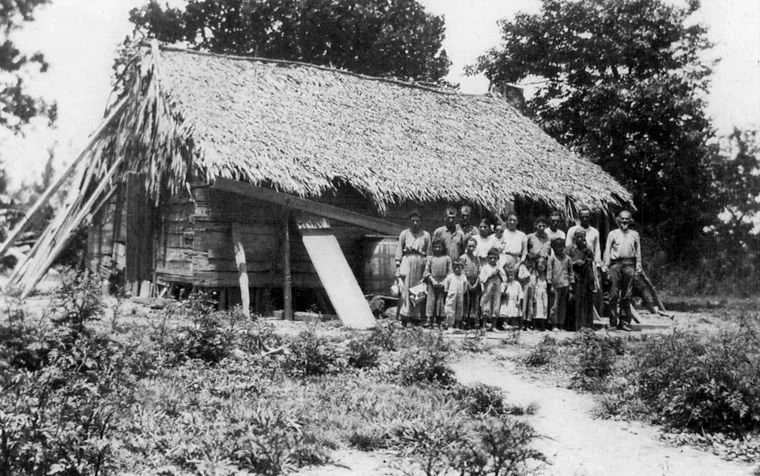
Before Colonization: Indigenous Louisiana, c. 1200–1500 CE
Long before European explorers arrived, the region now known as Louisiana was home to diverse Indigenous nations with deep connections to the land and waterways.